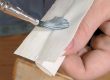
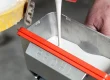
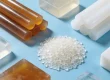
Hot glue is a widely used adhesive in the fields of crafting, product prototyping, and small-scale manufacturing. While it is best known for bonding materials such as wood, paper, and plastics, it is also frequently used on textiles.
If you have ever stared at a loose hem, a ripped bag strap, or a pile of craft supplies and wondered, Does hot glue work on fabric? — you are not alone. Many hobbyists and professionals reach for their glue gun as a quick solution, but not every project is the same. Sometimes hot glue is perfect; sometimes it is the wrong choice.
This guide explains exactly when hot glue works on fabric, how to use it without damage, and how to make the bond last as long as possible. You will learn which fabrics respond well to glue, what tools to choose, and what mistakes to avoid.
Understanding Hot Glue and Its Composition
Hot glue is a thermoplastic adhesive. It comes in solid stick form and is melted using a hot glue gun. When the molten glue is applied, it cools and solidifies to create a bond.
The main components are:
- Ethylene-vinyl acetate (EVA) copolymers – provides flexibility and adhesion.
- Tackifying resins – increase stickiness.
- Waxes and oils – adjust viscosity and setting time.
Because hot glue is heat-activated and hardens as it cools, the bonding process is very quick — usually within 30 seconds to a few minutes.
Why Hot Glue Is Popular
Hot glue is popular because it:
- Bonds to a wide variety of materials
- Sets in seconds to minutes
- Requires minimal clamping
- Is portable and relatively inexpensive
- Can be applied precisely with a glue gun
Does Hot Glue Work on Fabric?
The Short Answer: Yes — But only for certain fabrics and uses
Hot glue can bond to many fabrics by melting into their fibers and forming a strong grip. However, the bond is not always permanent and can weaken with heavy wear or repeated washing.
- Best for: quick repairs, decorative elements, craft projects, and display pieces
- Not ideal for: clothing that needs frequent washing, high-stress seams, or delicate heat-sensitive fabrics
Think of hot glue as a fast, versatile helper — not a permanent replacement for sewing.
How Hot Glue Bonds to Fabric
Hot glue is a thermoplastic adhesive. This means it is solid at room temperature, melts when heated, and hardens again when it cools. A glue gun heats the glue stick to the point where it becomes liquid. You then apply this molten glue to fabric, and as it cools, it solidifies, gripping the fibers.
Hot glue sticks to fabric in two main ways:
- Surface adhesion – the glue forms a thin film on the surface of the fabric.
- Fiber penetration – the glue seeps into the fabric weave and locks onto the fibers as it cools.
A good bond depends on both surface contact and fiber penetration.
Best Practices for Using Hot Glue on Fabric
Choose the Right Glue Gun
- Low-Temperature Glue Guns: Best for delicate fabrics and heat-sensitive materials.
- High-Temperature Glue Guns: Better for heavy fabrics and stronger bonds.
- Dual-Temperature Glue Guns: Offer flexibility for multiple fabric types.
Prepare the Fabric
- Clean the fabric surface to remove dust, oil, or finishes.
- Iron the fabric (if safe) to ensure it is smooth and wrinkle-free.
- Test on a small, hidden area to check for heat damage.
Application Technique
- Work in Small Sections: Hot glue sets quickly; avoid applying to large areas at once.
- Press Firmly: Press the glued area for 10–15 seconds to ensure penetration into fibers.
- Use a Silicone Mat or Parchment Paper: Prevents glue from sticking to your work surface.
- Avoid Excess Glue: Too much glue creates lumps and can seep through thin fabrics.
Advantages and Disadvantages of Using Hot Glue on Fabric
Before you heat up your glue gun, it’s important to weigh the pros and cons.
| Advantages | Limitations |
|---|---|
| Bonds in seconds—no waiting overnight | Not ideal for high-stress seams |
| Requires no sewing skills or thread | Can peel or crack after repeated washing |
| Low-temperature guns reduce risk to delicate fabrics | May leave stiff spots or visible glue lines |
| Great for embellishments, trims, and decorative pieces | Can burn heat-sensitive materials like nylon |
| Affordable and widely available | May yellow over time on light fabrics |
Fabrics That Work Well With Hot Glue
Hot glue does not behave the same on every textile. Here’s a breakdown:
| Fabric Type | Hot Glue Bond Strength | Notes |
|---|---|---|
| Cotton / Canvas | Strong | Best results; porous fibers hold glue well. |
| Denim | Strong | High-temp glue works best. |
| Felt | Very Strong | Fibrous texture allows deep penetration. |
| Polyester | Medium | May need roughening or fabric glue stick. |
| Silk / Satin | Weak to Medium | Risk of scorching; use low-temp glue. |
| Wool | Medium to Strong | Test for heat sensitivity first. |
| Stretch Fabrics | Weak | Glue may crack with movement. |
Glue Stick Considerations
- Low-Temperature Sticks – Safer for delicate fabrics.
- Clear Formulation – Reduces visible residue.
- Fabric-Specific Adhesives – Designed to remain flexible and resist mild washing.
Glue Gun Features
- Temperature Control – Enables switching between high and low heat.
- Interchangeable Nozzles – Facilitates both detailed and broad application.
- Ergonomic Design – Reduces fatigue during extended use.
- Stable Stand/Base – Prevents drips and improves safety.
When to Avoid Hot Glue on Fabric
Hot glue is not ideal for:
Wash-Intensive Items
Hot glue bonds tend to weaken when exposed to frequent washing, especially in hot water or during tumble drying. If you are working on garments, linens, or home textiles that will undergo regular laundering, sewing or using a washable fabric glue will provide better long-term results.
Delicate or Heat-Sensitive Fabrics
Materials such as silk, nylon, acetate, and certain synthetic blends can be damaged by the heat of a glue gun. The high temperatures can cause melting, shrinkage, or discoloration. For these fabrics, opt for low-temperature adhesives or no-heat bonding solutions.
Stretch or Elastic Fabrics
Hot glue hardens into a rigid form, which does not stretch with the fabric. On materials like spandex, lycra, or knit jersey, this can cause the glue to crack or detach when the fabric stretches, compromising the integrity of the bond.
Outdoor or Heat-Exposed Items
Hot glue is thermoplastic, meaning it softens when exposed to high temperatures. Items left in direct sunlight, inside a hot car, or near heat sources may lose their bond. For outdoor or heat-prone applications, choose a weather-resistant adhesive.
High-Value or Irreplaceable Fabrics
For antique textiles, heirloom garments, or costly fabrics, avoid hot glue entirely. Once applied, it can be difficult to remove without damaging the fibers, making it risky for valuable or one-of-a-kind items.
Using Hot Glue on Fabric Without Damage
To avoid harming fabric, choose low-temperature hot glue sticks designed for textiles. They melt at safer temperatures, bond without stiffening fibers, and often remain strong after gentle washing. Look for clear-drying, non-yellowing, low-odor, and eco-friendly options.
Select a glue gun with temperature control, a precision nozzle, and compatibility with fabric glue sticks. A lightweight, ergonomic design improves comfort, while a stable stand and safety switch add protection.
Application tips:
- Work on a clean, dry, wrinkle-free surface.
- Test glue flow on scrap fabric.
- Apply a thin, even layer to one side.
- Press pieces together immediately.
- Let cure for 24 hours for maximum strength.
Care tips: Hand wash in cold water, air dry, and avoid high heat. Reinforce any loose edges with fresh glue as needed.
Hot Glue vs. Sewing: Which to Choose?
Hot glue and sewing each have their place in fabric work.
Use hot glue when:
- You need a quick, temporary fix.
- You’re attaching embellishments or appliques.
- You’re crafting costumes or decorations that won’t be washed.
Use sewing when:
- The seam will experience high tension.
- The item will be washed frequently.
- You need flexibility in the join.
Remember: hot glue bonds are rigid, while stitched seams remain flexible.
Alternatives to Hot Glue for Fabric
When hot glue is not the best choice, consider:
Fabric Glue
Fabric glue is specially formulated for textiles. It creates a flexible bond that can withstand washing and wear. Many fabric glues dry clear, making them ideal for visible seams, appliqués, and decorative work.
Fusible Web
Fusible web is a thin sheet of adhesive that bonds fabrics together when heat is applied with an iron. It is perfect for hemming, appliqué, and other no-sew applications that require a smooth finish.
Sewing
Sewing remains the most durable and reliable method for attaching fabrics. Whether done by hand or with a sewing machine, stitching ensures a long-lasting bond that is flexible and machine-washable.
Spray Adhesive
Spray adhesive provides an even coating of tackiness across fabric surfaces. It is excellent for temporarily holding layers in place before sewing, quilting, or crafting.
Double-Sided Fabric Tape
Double-sided fabric tape offers a quick, no-mess way to join lightweight fabrics. While it is generally not permanent, it works well for temporary hems, quick alterations, and short-term decorative projects.
Upgrade Your Gluing Process with GoGluing
In this article, we explained key techniques for bonding on fabric. GoGluing, a China-based manufacturer of gluing machines, specializes in providing advanced equipment to streamline coating and bonding processes in printing and packaging.
If you encounter difficulties with gluing and bonding in products such as paper boxes, notebooks, brochures, or sketchbooks, GoGluing’s advanced hot melt glue machines are here to help. Our equipment is designed to simplify the coating process, improve bonding consistency, and increase production efficiency. By choosing GoGluing, you’ll overcome manual glue adjustment challenges and move toward smarter, digital-controlled operations.
Contact us today to explore how GoGluing can upgrade your production line with intelligent gluing solutions.

Try Our Gluing Machine Today!
Glue Smarter. Work Faster. Free Demo
Conclusion
Hot glue does work on fabric — when used correctly and for the right purpose. It shines in quick-fix situations, creative crafts, and decorative projects. But it cannot replace sewing for high-durability, washable, or flexible joins.
By choosing the right fabric, the right glue gun, and following careful application steps, you can achieve a neat, reliable bond that lasts as long as your project requires.
FAQ
How do I remove hot glue from fabric?
You should let the glue harden and then gently scrape it off with a blunt tool. You should test a solvent on a hidden area if residue remains. You should proceed carefully to avoid damaging the fabric.
Will hot glue survive in the washing machine?
Hot glue bonds can weaken or peel off after repeated washing, especially in hot water. Hand-washing in cold water may prolong the bond.