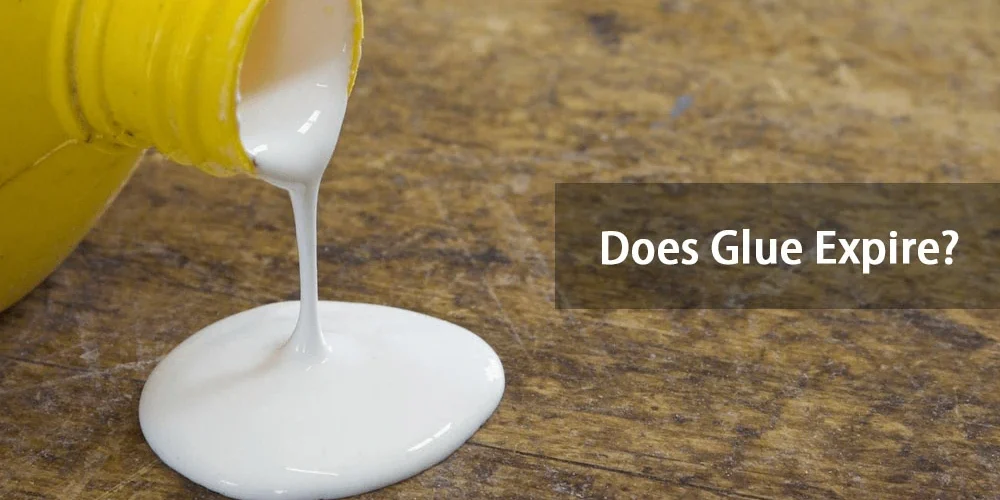
The question “Does glue expire?” often arises when someone reaches for an old bottle of adhesive. Most glues contain a base compound (like polyvinyl acetate in white glue or cyanoacrylate in super glue), a solvent (like water or alcohol), and sometimes additives to improve flexibility, drying time, or shelf life.
Over time, these ingredients can break down, dry out, or change chemically. When this happens, the glue may become too thick, too runny, or completely unusable.
This article explores how glue ages, what signs indicate that it has gone bad, and how to extend its shelf life. The article also covers specific glue types and offers practical advice for storage.
What Is Glue?
Glue is a sticky substance that users apply to bond two surfaces together. Manufacturers produce glue from different chemical ingredients. Each type of glue has unique properties for various applications. Some glue dries quickly, and other glue takes longer to set. The glue industry offers products for crafts, construction, woodworking, and more.
What Does “Expiration” Mean?
Expiration means the point at which a product no longer meets its original performance specifications. Manufacturers set expiration dates based on stability testing. The testing involves storing the product under controlled conditions and monitoring its properties over time. The expiration date indicates when the glue may start to degrade. The glue may change color, consistency, or bonding strength after that date.
Glue expiration can happen for a few reasons:
- Chemical Breakdown: Over time, the chemical ingredients in glue can degrade.
- Air Exposure: Oxygen can dry out the glue if the container isn’t sealed tightly.
- Temperature Changes: Heat or freezing temperatures can damage glue.
- Microbial Growth: In some water-based glues, mold or bacteria may grow.
So even if the glue doesn’t have a printed expiration date, it can still go bad.
Is Expired Glue Dangerous?
In most cases, expired glue is not harmful. However, there are a few things to keep in mind:
- Mold or Bacteria: If a water-based glue has been contaminated, it may develop mold or smell bad. Don’t use it if it looks or smells suspicious.
- Skin Irritation: Old chemical glues, like epoxy or super glue, may cause irritation if the ingredients have changed.
- Fumes: Some glues release strong fumes, especially if they are solvent-based. If they have expired, the fumes might be stronger or more irritating. Always use glue in a well-ventilated area.
How to Read Expiration Dates on Glue
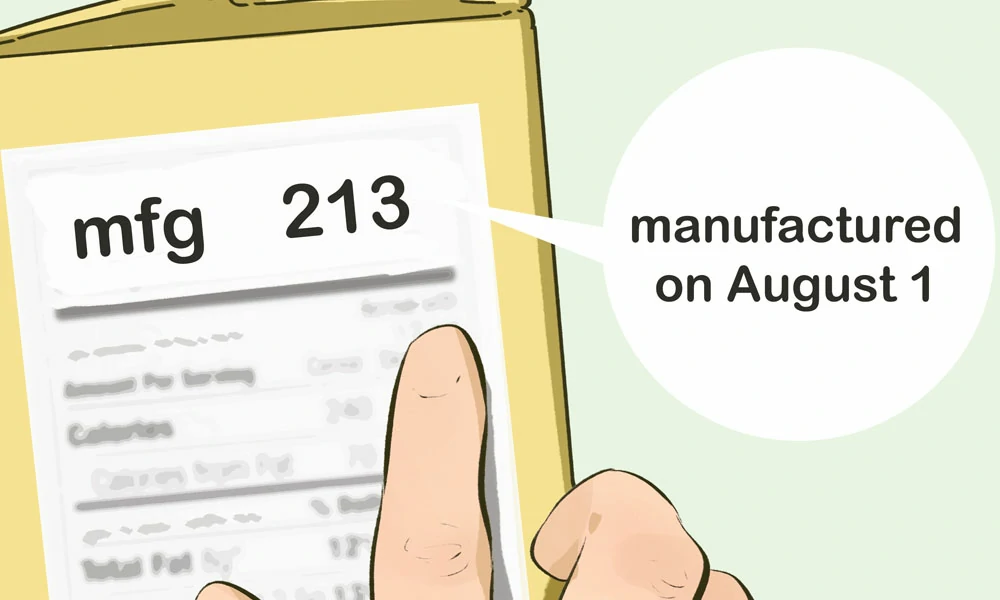
Glue manufacturers often print dates in different formats. You may see a “use by” date or a “manufactured on” date. Manufacturers sometimes use a lot code rather than a clear date. You may need to consult the product manual or the company website to decode it. If you cannot interpret the code, err on the side of caution and replace old adhesive.
Shelf Life of Different Glues
Not all glues are the same. Each glue type has a different base material and chemical structure, which affects how long it lasts. Let’s break down the shelf life of common glue types:
| Type of Glue | Shelf Life (Unopened) | Shelf Life (Opened) | Key Notes |
|---|---|---|---|
| PVA Glue | 12–18 months | ~6–12 months | May thicken or develop lumps after expiration. |
| Hot Melt Glue | 12–24 months | Varies (if dry, lasts long) | Can last years if dry; absorbs moisture, may foam when melted. |
| Cold Glue | Up to 2 years | ~12 months | May crystallize or lose tackiness after opening. |
| Jelly Glue | ~1 year | Less than 1 year | Risk of natural degradation and microbial growth after 1 year. |
| Wood Glue (Yellow PVA) | 1–3 years | ~1 year | Rubber texture or sour smell indicates spoilage. |
| Epoxy Glue (2-Part) | 1–2 years | Once mixed: 30–60 mins | Shelf life starts from manufacture date, not opening. |
| Cyanoacrylate (Super Glue) | Up to 2 years | 1–3 months | Begins degrading rapidly after opening. Store in cool, dry place. |
PVA Glue
PVA glue commonly comes in white or yellow varieties. Most manufacturers label PVA with a shelf life of 12 to 18 months. The glue that ages beyond this period may thicken or develop lumps.
Hot Melt Glue
Hot melt glue comes in solid sticks for glue guns. The manufacturer usually lists shelf life as 12 to 24 months. The glue sticks do not expire in the same way that liquid glues do. They can sit unused for years if kept dry. However, the sticks may absorb moisture, which can cause foaming when melted.
Cold Glue
Cold glue refers to water-based adhesives that cure at room temperature, commonly used in packaging, book cover, and cold gluing machines. Unopened cold-glue sticks and blocks typically remain stable for up to two years from the date of manufacture when stored correctly. Once opened, most cold-glue sticks maintain optimal performance for about 12 months before the adhesive begins to crystallize or lose tackiness
Jelly Glue
Jelly glue (also called animal or protein glue) derives from gelatin or collagen and features a thick, jelly-like consistency. Under recommended conditions, jelly glue retains its full bonding strength for at least one year from the manufacture or packaging date. Beyond this period, natural degradation and risk of microbial growth can reduce its effectiveness.
Wood Glue (Yellow Carpenter’s Glue)
Wood glue is often a modified version of PVA glue. It bonds wood surfaces strongly and dries into a hard finish. Like PVA, it is also water-based and sensitive to moisture and temperature. Shelf life (Unopened): 1–3 years. Shelf life (Opened): 1 year
If your wood glue has become rubbery or smells sour, it may no longer be usable.
Epoxy Glue
Epoxy glue arrives as two separate parts: resin and hardener. The factory seals each part in its own container. The typical shelf life for epoxy ranges from one to two years. The glue’s expiration date begins from the date of manufacture, not from the date you open it.
Cyanoacrylate (Super Glue)
The super glue in a small tube forms bonds within seconds when it meets moisture. The sealed tube in cool, dry storage may last up to two years. However, once you open a tube, the glue begins to degrade more rapidly and may last only a few months.
Factors That Affect Glue Expiration
Glue expiration depends on many variables. This section explains the main factors that influence how long glue remains usable.
Exposure to Air
The glue’s container can allow tiny amounts of air to seep in. The solvent or water in the glue can evaporate slowly, which changes the glue’s consistency. The air can also trigger chemical reactions in two-part glues.
Temperature Fluctuations
The glue that sits in a garage or an attic may face wide temperature swings. The glue components can expand and contract, stressing the seal on the container. The fluctuating temperature can accelerate the breakdown of chemical bonds within the glue.
Humidity and Moisture
The moisture in the air can enter glue tubes and cans, starting the curing process prematurely. The humidity in a basement or a bathroom can be higher than in a dry closet, which can shorten the glue’s useful life.
Contamination
The glue that has bits of sawdust, paint, or other materials inside the container can spoil faster. The extra particles can interfere with the glue’s bond and can trigger partial curing. Always use clean tools when scooping or applying glue.
Mixing Errors
The two parts of epoxy glue require precise mixing ratios. The glue components can begin to cure if they touch each other inside the sealed package. Always store the resin and the hardener in separate sealed containers.

Signs That Glue Has Expired
Glue that passes its expiration date may show visible or functional changes. This section lists common signs that indicate glue has expired.
Separation
The glue may separate into layers. The user might see water or solvent on top and solids at the bottom. The guide recommends discarding glue that fails to mix uniformly after gentle stirring.
Thickening or Gelation
The glue may become too thick, lumpy, or gel-like. The user will find it hard to squeeze or spread the glue. The guide warns that adding water to thin PVA glue may weaken its bonding strength.
Off Smell
The glue may develop a strong chemical or sour odor. The user should trust their nose and avoid applying glue that smells unusual. The guide reminds readers that a mild, original glue smell is normal but pungent or sour odors are not.
Poor Bond Performance
The glue may not bond materials as strongly as before. The user may notice joints that break easily after curing. The guide suggests testing a small amount of glue before critical projects.
Color Change
The glue may darken or discolor. The user may see a yellowish cast in white glue or cloudiness in clear glue. The guide notes that slight color shifts might not always mean the glue is unusable, but pronounced changes warrant caution.
Tips to Make Glue Last Longer
Proper storage plays a big role in how long your glue will stay usable. Here are some simple tips:
Seal It Tight
Always close the cap tightly after use. If the glue has a nozzle, make sure it’s clean before putting the cap back on.
Store It Cool and Dry
Keep glue away from direct sunlight, heat, and moisture. A drawer or toolbox is usually a good place.
Store Super Glue in the Fridge (Optional)
Some professionals recommend storing super glue in the refrigerator to slow down the chemical breakdown. If you try this, seal the glue in a zip-top bag to prevent moisture from getting in.
Label the Date
Write the date you opened the glue on the bottle. That way, you can keep track and avoid surprises.
What to Do with Expired Glue
- Try It on a Scrap Piece: The glue that seems old may still bond light materials. Test it on scrap paper or wood to see if the bond holds.
- Repurpose as Craft Material: The expired glue that sticks poorly can still serve as a texture medium in art projects. The glue can create peaks and ridges in mixed-media art.
- Recycle the Container: The glue container that holds no useful adhesive still serves as a tool. The empty bottle or tube can work as a dropper for other liquids after a thorough cleaning.
Can You Revive Old Glue?
In some cases, yes. You can sometimes bring glue back to life if it’s only slightly expired.
- White or Wood Glue: If it’s thickened, try adding a few drops of warm water and stirring it thoroughly.
- Super Glue: Unfortunately, once super glue has hardened inside the tube, it’s not usable again.
- Spray Adhesive: If the nozzle is clogged, you can try soaking it in warm water or using a pin to unclog it.
Note: These tricks don’t always work. If the glue still doesn’t perform well, it’s time to replace it.
Fast, Precise Gluing Solutions
Go Gluing is a gluing machine manufacturer based in China, and we also supply premium cold glue and jelly glue to our customers. We help packaging, notebook, and card factories around the world apply adhesive faster, cleaner, and with pinpoint accuracy. Discover how our reliable gluing machines and high-quality glue products can streamline your production line and boost your output. Contact us today to request a quote or schedule a free demo—let Go Gluing take your adhesive processes to the next level!

Try Our Gluing Machine Today!
Glue Smarter. Work Faster. Free Demo
Conclusion
So, does glue expire? Absolutely. Even though glue may not go bad overnight, it can lose strength, change texture, and become unreliable over time. The type of glue, how you store it, and how long it has been opened all play a role in its shelf life.
If you’re ever in doubt, do a simple test. Try the glue on a small surface and see if it works. If it doesn’t bond well or smells off, it’s time for a new bottle.
Next time you wonder “does glue expire?” you’ll know the answer—and you’ll be ready to make the most of every drop.
FAQ
How do I test if my glue is still good to use?
You can apply a small drop of glue to scrap material and press it together. If the bond holds strongly within the normal drying time, the glue is still good.
How should I dispose of old or expired glue?
You should take expired glue to a household hazardous waste facility. Do not pour it down the drain or throw it in regular trash if local regulations prohibit it.