When it comes to crafting, bookbinding, and DIY projects, choosing the right adhesive can significantly impact the final result. Two of the most commonly used products are PVA glue and Mod Podge. While they may seem similar at first glance, they serve different purposes and offer distinct advantages depending on your application. In this comprehensive guide, we will explore the differences between PVA glue and Mod Podge, their unique properties, and how to choose the best option for your needs.
What Is PVA Glue?
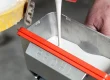
PVA (polyvinyl acetate) glue is a water-based adhesive widely used in woodworking, paper crafts, and bookbinding. It is known for its strong bonding capability, flexibility after drying, and ease of use. PVA glue dries clear and creates a durable bond, making it ideal for porous materials like paper, cardboard, fabric, and wood.
One of the biggest advantages of PVA glue is its strength and versatility. It penetrates fibers effectively, forming a long-lasting bond that resists cracking even with repeated movement—an essential feature for book spines and flexible materials.
Looking for high-quality PVA glue for industrial or craft applications? Contact GoGluing at info@gogluing.com for reliable adhesive solutions tailored to your needs.
Key Features of PVA Glue:
- Strong bond strength: Ideal for porous materials like paper, cardboard, wood, and fabric
- Flexible after drying: Prevents cracking, especially in book spines
- Fast drying: Suitable for efficient production environments
- Matte or semi-transparent finish: Dries clear without altering the material appearance
- Cost-effective: Commonly used in industrial and bulk applications
Common Uses:
- Bookbinding and spine reinforcement
- Paper packaging and carton sealing
- Woodworking joints
- Envelope and label adhesion
What Is Mod Podge?
Mod Podge is a brand-specific crafting product that functions as an all-in-one glue, sealer, and finish. Developed by Plaid Enterprises, it is especially popular in decoupage projects, where paper or fabric is glued onto surfaces and then sealed with a protective coating.
Unlike standard PVA glue, Mod Podge comes in various finishes such as matte, gloss, and satin. It not only adheres materials but also creates a protective top layer that enhances appearance and durability.
Key Features of Mod Podge:
- Multi-purpose formula: Acts as glue, sealer, and protective topcoat
- Available in finishes: Matte, gloss, satin, and specialty variants
- Smooth application: Ideal for decorative surfaces and decoupage
- Protective layer: Helps preserve artwork and printed materials
- User-friendly: Designed for hobbyists and creative projects
Common Uses:
- Decoupage and collage art
- Sealing painted or decorated surfaces
- Craft projects like photo transfers and scrapbooking
- Furniture decoration and DIY home décor
Can You Use PVA Glue Instead of Mod Podge?
In some cases, PVA glue can be diluted with water to mimic certain functions of Mod Podge, particularly for basic decoupage. However, it lacks the specialized finishing qualities and durability that Mod Podge provides. For professional-looking craft results, Mod Podge remains the superior option.
If you need reliable, high-performance PVA glue for bookbinding, packaging, or industrial applications, GoGluing offers premium adhesive solutions tailored to your needs. Contact us today at info@gogluing.com to learn more about our products and find the perfect glue for your business.
PVA Glue vs Mod Podge: The Main Differences
| Aspect | PVA Glue | Mod Podge |
|---|---|---|
| Function | Primarily an adhesive for strong bonding | All-in-one product: adhesive, sealer, and finish |
| Best Use Case | Bonding materials (paper, wood, fabric, cardboard) | Craft projects requiring both adhesion and surface sealing |
| Finish | Dries clear; usually matte or slightly glossy | Available in matte, gloss, satin, and textured finishes |
| Strength | Stronger bond, suitable for structural and functional applications | Moderate strength; best for decorative, non-load-bearing uses |
| Drying Behavior | Efficient drying; varies by formulation (fast tack or longer open time) | May require careful application; can leave brush marks or bubbles; longer curing time |
| Surface Protection | Limited protective qualities; not designed as a sealant | Provides a protective coating against moisture, wear, and handling |
| Typical Industries | Bookbinding, woodworking, packaging | Arts, crafts, DIY decorative projects |
Although both products are water-based and can be used in crafts, their purpose and performance are different.
1. Function
PVA glue is primarily an adhesive. Its job is to bond materials together strongly and reliably. Mod Podge is an adhesive, sealer, and finish in one product. It is designed to attach decorative materials and leave a protective coating on top.
If you only need glue, PVA is usually the more direct choice. If you need to glue something and also seal it for appearance or protection, Mod Podge may be more convenient.
2. Finish
PVA glue usually dries clear and may leave a matte or slightly glossy surface depending on the formula. It is generally not designed to create a decorative top layer.
Mod Podge, on the other hand, is made to provide a visible finish. Depending on the type you choose, it can dry matte, gloss, satin, or textured. This makes it useful when the final look matters as much as the bond.
3. Strength
PVA glue often provides a stronger bond for structural or functional use, especially on porous materials like paper, cardboard, wood, and fabric. It is widely used in bookbinding and woodworking because of its reliable adhesion and flexibility.
Mod Podge is strong enough for craft work, but it is generally not the best option when maximum bonding strength is the priority. It is better suited for decorative applications than for load-bearing or heavy-duty bonding.
4. Drying Behavior
PVA glue typically dries more efficiently as a bonding agent and can be formulated for different open times and drying speeds. Some versions are optimized for quick tack, while others are designed for longer working time.
Mod Podge often requires careful application because it can leave brush marks or trap bubbles if applied too thickly. Since it serves as both glue and finish, it can take longer to reach a fully cured, smooth surface.
5. Surface Protection
PVA glue is not usually intended to protect a surface from moisture, handling, or wear. Some specialized PVA products may have better durability, but protection is not its main function.
Mod Podge is specifically made to seal and protect craft projects. This is one of its biggest selling points. It helps preserve paper cutouts, collages, and decorative surfaces after application.
Best Uses for PVA Glue
PVA glue is ideal when you need a reliable adhesive for everyday or professional use. Its best applications include:
Bookbinding
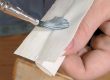
PVA glue is a favorite in bookbinding because it remains flexible after drying and creates a durable bond between paper, cloth, and spine materials. It helps books open and close naturally without cracking.
Woodworking
Many woodworking projects use PVA wood glue because it provides a strong bond on wood surfaces. It is especially effective on clean, well-fitted joints.
Paper Crafts
PVA glue works very well for paper-based crafts, especially when you need a neat bond without an overly thick coating.
Packaging and Folding Cartons
In packaging production, PVA glue is often used for cartons, paperboard, and other porous substrates. It offers good adhesion and clean processing.
Fabric and Mixed-Media Projects
Certain PVA formulations can bond fabric and mixed materials, though testing is always recommended if flexibility and durability are important.
Best Uses for Mod Podge
Mod Podge is a better choice when the project is decorative and you want an all-in-one product.
Decoupage
This is the most common Mod Podge use. It allows you to glue paper or fabric to a surface and seal it with a protective coating.
Scrapbooking
Mod Podge can help attach embellishments, photos, or paper elements while also adding a finished look.
Decorative Surfaces
It works well on wood plaques, trays, frames, ornaments, and other craft surfaces where appearance matters.
Sealing Paper Crafts
If you want to protect delicate paper artwork or collage layers, Mod Podge provides a useful topcoat.
Seasonal and Hobby Projects
It is popular for handmade gifts, classroom projects, and DIY decorations because it is easy to use and available in many finishes.
Which One Should You Choose?
The right choice depends on your project.
Choose PVA glue if you need:
- A strong adhesive
- A flexible bond after drying
- Better performance on paper, cardboard, wood, or fabric
- A glue for bookbinding, packaging, or functional repair
- A cost-effective adhesive for larger projects
Choose Mod Podge if you need:
- Glue plus sealer plus finish in one product
- A decorative topcoat
- A craft-safe solution for decoupage
- A polished surface with matte, gloss, or satin effects
- An easy all-in-one product for hobby and DIY projects
Choose the Right Adhesive for Better Results
Looking for high-quality adhesives for your projects or production line? Whether you need reliable PVA glue for strong bonding or specialized solutions for packaging, bookbinding, and paper applications, GoGluing has you covered.
We provide consistent, high-performance adhesive products designed to improve efficiency, reduce waste, and deliver professional results every time.
Contact us today to find the perfect glue for your needs: info@gogluing.com
Learn more about our products and customized solutions for your industry
GoGluing — Your Trusted Partner in Adhesive Solutions.
Final Thoughts
PVA glue and Mod Podge may look similar, but they serve different purposes. PVA glue is a general-purpose adhesive that excels in strength, flexibility, and practical bonding. Mod Podge is a craft medium designed to glue, seal, and finish decorative projects at the same time.
The simplest way to decide is this:
Use PVA glue when the bond matters most. Use Mod Podge when the finish matters most.
For professional craft production, bookbinding, packaging, and woodworking, PVA glue is usually the more functional choice. For decoupage, decorative crafts, and sealed artistic projects, Mod Podge is often the more convenient option.
Choosing the right adhesive saves time, improves appearance, and helps your project last longer. Once you understand what each product is designed to do, it becomes much easier to select the right one for the job.
FAQ
What is the main difference between PVA glue and Mod Podge?
The main difference is functionality. PVA glue is primarily an adhesive used for bonding materials, while Mod Podge is a multi-purpose product that acts as a glue, sealer, and finish.
Can I use PVA glue instead of Mod Podge?
Yes, PVA glue can be used for basic adhesion in craft projects. However, it does not provide the same sealing and finishing qualities as Mod Podge, so the final result may not be as durable or visually refined.
Is Mod Podge stronger than PVA glue?
No, PVA glue generally provides a stronger bond, especially for materials like wood, paper, and cardboard. Mod Podge is better suited for light-duty bonding and decorative applications.
Can I make my own Mod Podge using PVA glue?
Some people mix PVA glue with water to create a DIY alternative. While this may work for simple crafts, it does not offer the same durability, finish quality, or protective properties as genuine Mod Podge.
Which option is more cost-effective?
PVA glue is generally more cost-effective, especially for large-scale or industrial use. Mod Podge is more expensive due to its multi-functional properties and is typically used for smaller, decorative projects.