Book binding is both an art and a science. Whether you are restoring a treasured hardcover, assembling a handmade journal, or producing books at scale, the adhesive you choose plays a critical role in the final product’s durability, flexibility, and appearance. Among all available adhesives, PVA glue (polyvinyl acetate) stands out as one of the most widely used and trusted options in modern bookbinding.
This comprehensive guide explores everything you need to know about PVA glue for book binding—from its chemical properties and advantages to practical techniques, expert tips, and common mistakes to avoid.
What Is PVA Glue?
PVA glue, short for polyvinyl acetate adhesive, is a water-based synthetic polymer widely used in woodworking, paper crafting, and packaging. In bookbinding, it is favored for its excellent bonding strength, flexibility, and ease of use.
Unlike traditional animal-based glues, PVA glue offers consistent quality, longer shelf life, and improved resistance to environmental factors such as humidity and temperature changes.
Why PVA Glue Is Ideal for Book Binding
1. Strong and Durable Bond
One of the key reasons Polyvinyl Acetate (PVA) glue is widely used in bookbinding is its exceptional bonding strength. It penetrates deeply into paper fibers, creating a mechanical and chemical bond that holds pages firmly together.
Once fully cured, PVA forms a durable adhesive layer capable of withstanding long-term use, environmental changes, and repeated handling. This makes it especially suitable for both softcover and hardcover books that require structural integrity over time.
2. Flexibility After Drying
Unlike brittle adhesives that can crack under stress, PVA glue remains flexible after drying. This flexibility is critical in bookbinding because books are constantly opened and closed.
A flexible spine allows the book to lay flatter and reduces stress on the binding edge. As a result, pages are less likely to detach, and the spine maintains its strength even after extensive use.
3. Fast Drying Time
Efficiency is a major factor in both manual and industrial bookbinding, and PVA glue offers a relatively fast drying time compared to traditional adhesives such as animal glue.
This quick setting property allows bookbinders to move through production stages faster, increasing productivity without sacrificing quality. In high-volume manufacturing, faster drying translates directly into reduced turnaround times and improved workflow efficiency.
4. Non-Toxic and Safe
Most modern PVA adhesives are water-based and free from harmful solvents, making them non-toxic and safe for everyday use.
This makes PVA glue an excellent choice for schools, DIY bookbinding projects, and professional workshops where safety is a priority. Additionally, its low odor improves the working environment compared to solvent-based adhesives.
5. Clear and Professional Finish
Another important advantage of PVA glue is its ability to dry clear. This ensures that no visible residue, staining, or discoloration affects the final appearance of the book.
A transparent finish is especially important for high-quality publications, art books, and archival projects where aesthetics matter as much as durability.
Looking for reliable, high-performance PVA glue for book binding? Go Gluing offers premium adhesive solutions tailored for both manual and industrial applications. With strong bonding, excellent flexibility, and consistent quality, Go Gluing helps you achieve superior results in every project.
Contact Go Gluing today (info@gogluing.com ) to find the perfect PVA glue for your bookbinding needs!
Types of PVA Glue for Book Binding
Not all PVA glues are the same. For bookbinding, the formula matters.
Standard PVA
This is the general-purpose version. It works well for many basic binding tasks and craft projects. It provides good adhesion, but may not be the best choice for archival or high-end work.
Archival or Acid-Free PVA
For books that need long-term durability and minimal paper degradation, acid-free PVA is a better choice. It is especially important in library work, restoration, and high-quality handmade books.
Flexible PVA
Some PVA formulas are designed to remain especially flexible after curing. These are ideal for spines, joints, and cover applications where movement is frequent.
Fast-Setting PVA
This version is helpful in production environments where speed matters. It reduces waiting time, but it may give less working time, so careful application is important.
Neutral pH PVA
Neutral pH glue helps reduce the risk of paper damage over time. It is often preferred for premium bookbinding, conservation, and archival applications.
How to Use PVA Glue in Book Binding
The exact method depends on the binding style, but the basic process follows a few important principles.
Step 1: Prepare the Surface
Before applying glue, make sure the paper, spine, board, or cloth is clean, dry, and properly aligned. Dust, grease, or moisture can weaken the bond.
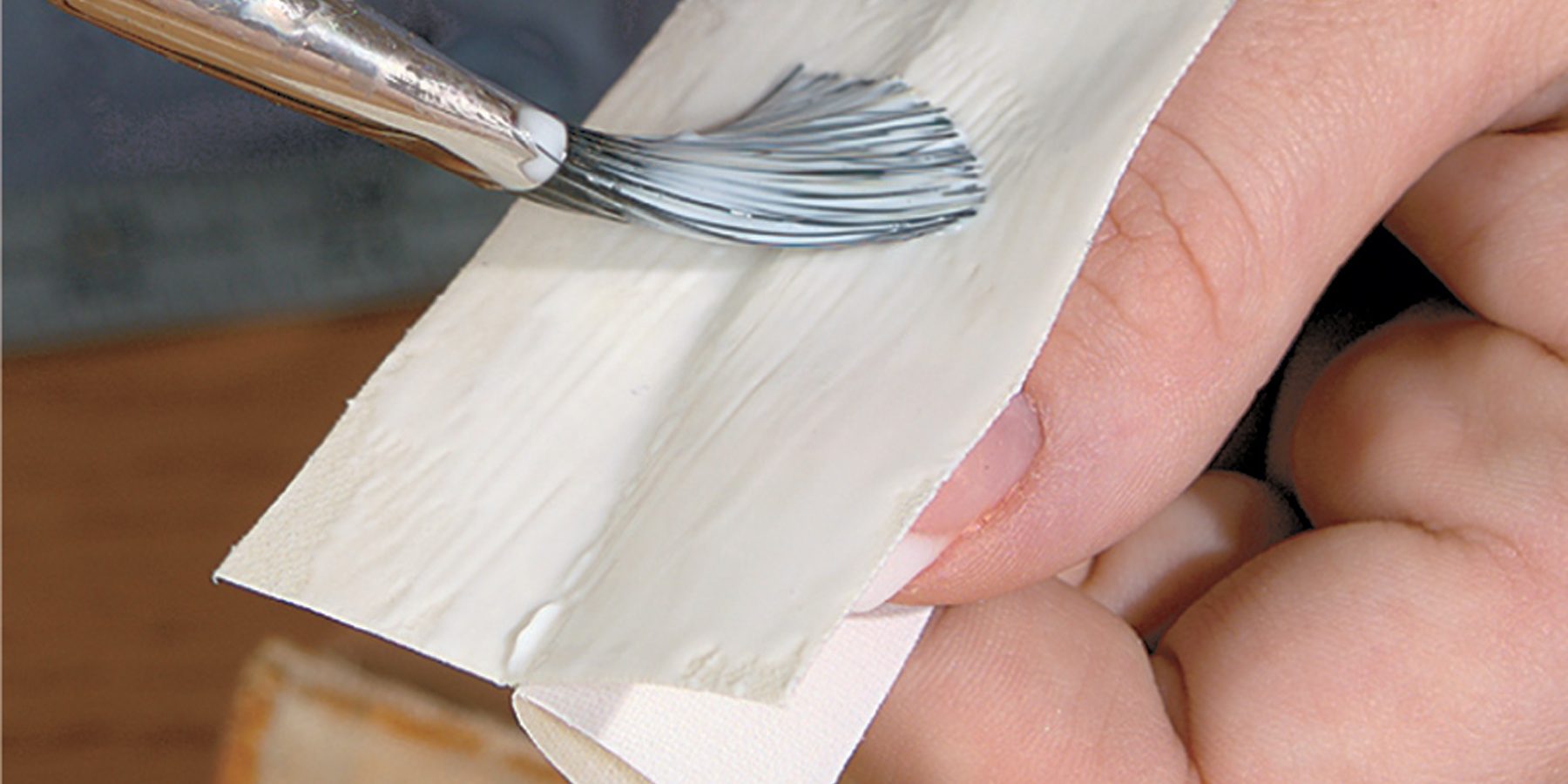
Step 2: Apply an Even Layer
Use a brush or spreader to apply a thin, even coat. Too much glue can cause wrinkling, seepage, and slow drying. Too little glue may lead to weak adhesion.
Step 3: Position Carefully
Once the glue is applied, place the material carefully. PVA glue gives you some working time, but alignment should still be handled promptly.
Step 4: Press and Hold
Apply pressure using a press, weights, or a bone folder. This helps eliminate air pockets and ensures firm contact between surfaces.
Step 5: Allow Proper Drying Time
Do not rush the process. Even if the surface feels dry, the internal bond may still need time to cure fully. Drying and curing times vary based on glue thickness, materials, humidity, and temperature.
Step 6: Trim or Clean Up Excess
If glue squeezes out, remove it while still damp if possible. Once dry, it becomes harder to remove cleanly.
How to Choose the Best PVA Glue for Book Binding
The best PVA glue for book binding depends on the project. When choosing an adhesive, consider the following factors.
Bond Strength
A strong bond is necessary, but strength alone is not enough. The glue must also remain flexible enough to allow movement.
Open Time
Open time is the period during which the glue remains workable after application. A longer open time is helpful for complex binding, while a shorter open time can speed production.
Drying Speed
Fast drying may be useful in commercial settings, but too-fast drying can make alignment difficult. For hand binding, a moderate drying speed is often easier to manage.
Flexibility After Drying
This is one of the most important qualities. A bookbinding adhesive should support repeated opening without cracking.
pH and Archival Quality
For long-lasting books, choose an acid-free or neutral pH formula. This helps protect paper and extend the lifespan of the finished book.
Viscosity
Glue that is too thin may soak into paper too quickly and create weak spots. Glue that is too thick may be hard to spread evenly. A balanced viscosity is ideal for book work.
Surface Compatibility
Make sure the PVA works on the materials you are using, such as coated board, uncoated paper, cloth, or specialty papers.
Expert Tips for Using PVA Glue in Book Binding
Even the best adhesive can fail if it is used incorrectly. The following tips can help you achieve cleaner and stronger results.
1. Apply a Thin, Even Layer
Too much glue can cause warping, wrinkling, and long drying times. A thin, uniform layer usually works best. Use a brush, roller, or spreader to control application.
2. Work Quickly but Carefully
PVA begins setting soon after application. Prepare your materials in advance so you can align the parts before the glue starts to grip.
3. Avoid Over-Saturating Paper
Paper can absorb moisture and distort if too much glue is used. This is especially important with lightweight paper or delicate materials.
4. Use Proper Pressing and Drying
Clamping or pressing the book during drying helps maintain shape and alignment. It also reduces the risk of curling or uneven bonding.
5. Clean Up Excess Glue Immediately
Excess PVA is easier to remove before it dries. Keep a damp cloth nearby and clean any squeeze-out promptly.
6. Test on Scrap Materials First
Different papers and boards behave differently. A quick test can reveal whether the glue spreads well, dries flat, and bonds as expected.
7. Store Glue Properly
PVA should be kept sealed tightly and stored in a cool, stable environment. Poor storage can reduce performance over time.
8. Match the Glue to the Project
Not every binding job needs the same glue. A handmade art journal, a softcover novel, and a restored antique book may all need different adhesive properties.
Common Mistakes to Avoid
Bookbinding with PVA is simple in principle, but a few common mistakes can lead to problems.
Using Too Much Glue
Over-application can create waves, swelling, glue seepage, and a messy finish.
Choosing the Wrong Formula
A general craft glue is not always the same as a bookbinding-grade PVA. For serious binding work, it is better to use a formula designed for paper and board.
Rushing the Drying Process
Opening or handling a book too soon can weaken the bond and cause misalignment.
Ignoring Paper Quality
Thin, absorbent, or coated papers may react differently to glue. Always consider the material before applying adhesive.
Failing to Press Properly
Without pressing, the book may dry unevenly or develop warped areas, especially on the spine and boards.
PVA Glue vs Other Bookbinding Adhesives
PVA is popular, but it is not the only adhesive used in binding. Comparing it with other options helps explain why it is so widely chosen.
PVA vs Hot Melt Glue
Hot melt is fast and useful in some machine binding processes, but it is generally less flexible and may not perform as well in long-term or fine binding work. PVA is usually preferred when durability and appearance matter more.
PVA vs Animal Glue
Animal glue has a long history in traditional bookbinding and restoration. It can be valuable in certain conservation methods, but PVA is often easier to use, more stable, and more suitable for modern production. Some restoration work may still require traditional adhesives depending on the book and method.
PVA vs EVA
EVA is also widely used in binding, especially in perfect binding. However, PVA usually offers better flexibility and is often preferred for higher-quality books or where stronger long-term performance is needed.
PVA vs Paste
Paste is often used in delicate conservation work because it is slower and more reversible. PVA provides stronger, faster adhesion, making it better suited for many production and repair applications.
Book Binding Applications Where PVA Excels
PVA glue is especially effective in the following project types:
- Hardcover book production
- Handmade notebooks and journals
- Sketchbooks and artist books
- Photo albums
- Scrapbooks
- Book repair and page reinforcement
- Endpaper and spine work
- Case binding
- Educational and reference books
Its combination of strength, flexibility, and ease of use makes it one of the most practical adhesives in these categories.
How PVA Improves Finished Book Quality
A good binding adhesive does more than hold pages together. It affects how the book feels, opens, and ages.
A well-bonded book opens smoothly without cracking. The spine holds its shape. The cover stays attached. Pages remain secure after repeated handling. PVA supports all of these outcomes when chosen and applied correctly.
It also helps produce a cleaner final product. Because it dries clear and can be applied in controlled layers, PVA contributes to a more professional appearance. For publishers, binders, and craft makers alike, that matters.
Environmental and Safety Considerations
PVA is generally considered a practical adhesive from both a usability and safety perspective. It is water-based, which reduces many of the handling concerns associated with solvent-based adhesives. It usually has a lower odor and is easier to clean from tools and surfaces before drying.
That said, as with any adhesive, good workshop practices still matter. Use it in a well-ventilated area, keep containers sealed when not in use, and follow the manufacturer’s instructions for safety and cleanup.
For environmentally conscious buyers, it is also worth looking for low-VOC, acid-free, or archival formulations depending on the intended use.
Professional Advice for Better Results
Experienced binders often look for more than just “strong glue.” They want consistency, control, and reliability. That is why many professionals prefer a specialized bookbinding PVA rather than a general craft adhesive.
A professional-grade formula typically offers better flow, improved flexibility, and more predictable performance. In production settings, consistency matters because even a small change in viscosity or drying time can affect the final result.
If your goal is to produce books that open well, last longer, and look clean, investing in the right adhesive pays off.
Upgrade Your Book Binding with Premium PVA Glue
Looking for reliable, high-performance PVA glue for book binding? Go Gluing offers professional-grade adhesives designed for strong bonding, excellent flexibility, and long-lasting durability. Whether you are producing hardcover books, repairing bindings, or creating handmade journals, our PVA glue ensures clean application and consistent results.
Get in touch with our team today at info@gogluing.com to discuss your requirements or request a sample. Let Go Gluing help you achieve superior book binding results with the right adhesive solution.
FAQ
What is PVA glue used for in book binding?
PVA glue is used to bond pages, attach covers, reinforce spines, and secure endpapers in both paperback and hardcover book binding. It provides a strong yet flexible hold that withstands repeated use.
Is PVA glue good for book binding?
Yes, PVA glue is one of the best adhesives for book binding because it offers excellent adhesion, flexibility, and durability. It is widely used by both professional binders and hobbyists.
What type of PVA glue is best for book binding?
Acid-free and neutral pH PVA glue is best for book binding, especially for archival or long-lasting projects. Flexible PVA formulas are also preferred for spine applications.
How long does PVA glue take to dry in book binding?
PVA glue typically dries to the touch within 30–60 minutes, but full curing can take 12–24 hours depending on the thickness, materials, and environmental conditions.
Is PVA glue waterproof for book binding?
Standard PVA glue is not fully waterproof, but some formulations are water-resistant. For most book binding applications, standard PVA provides sufficient durability.
How do you apply PVA glue for book binding?
Apply a thin, even layer using a brush or roller, align the materials carefully, and press them firmly. Avoid using too much glue to prevent warping or seepage.