When it comes to enhancing the quality and durability of printed materials and packaging, glue coating and laminating are two of the most commonly used finishing techniques. Both processes aim to improve the look, feel, and performance of paper products, but they achieve these results in different ways. This article explores what glue coating vs laminating involve, compares their benefits and drawbacks, and helps you decide which method suits your needs best.
What Is Glue Coating?
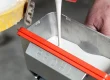
Glue coating is a process where a liquid adhesive is applied evenly over a surface, usually paper, cardboard, or similar substrates. The glue usually dries quickly, forming a thin, clear film on top of the material.

How Glue Coating Works
The glue used in glue coating is often water-based or solvent-based adhesive. It is spread across the surface using different methods such as roller coating, spray coating, or curtain coating. Once applied, the glue penetrates the surface slightly, enhancing durability and resistance to wear and tear. After drying, it leaves a smooth and often shiny finish.
Glue coating is frequently used to improve the look of printed materials like magazines, book covers, posters, and packaging boxes. It provides a level of protection against moisture, fingerprints, and minor scratches.
Glue Coating: Advantages and Limitations
Pros of Glue Coating
- Since there’s no need for additional film, glue coating usually costs less in materials.
- It can be used on oddly shaped or textured surfaces where laminating would be difficult.
- Glue viscosity, coating thickness, and drying speed can be adjusted easily.
- Glue coating machines are typically smaller and require less energy.
Cons of Glue Coating
- Glue alone doesn’t protect against moisture, scratches, or UV light as well as a lamination film does.
- Some adhesives, especially if exposed to light or heat, may discolor.
- Glue coating needs careful handling to avoid drips or uneven application.
Applications of Glue Coating
Glue coating is widely used across industries. Some examples include:
- Folding cartons and paper boxes
- Self-adhesive labels
- Tapes and protective films
- Industrial laminates and insulation boards
- Bookbinding and brochure covers
The main purpose of glue coating is often to prepare a substrate for future bonding or to add a functional property.
What Is Laminating?
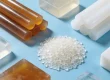
Laminating, on the other hand, involves bonding a thin plastic film over a surface. This film is usually made from materials like polyethylene terephthalate (PET), polypropylene (PP), or polyethylene (PE). The plastic layer is attached either by heat, pressure, or adhesives, forming a solid, durable cover over the original material.
For example, laminating paper with plastic makes it waterproof and tear-resistant, while laminating metals can provide electrical insulation.
How Laminating Works
There are two main types of laminating: thermal laminating and cold laminating. Thermal laminating uses heat-activated adhesives that melt to bond the film to the substrate. Cold laminating relies on pressure-sensitive adhesives that stick the film without heat.
The laminating film comes in rolls and is applied over the surface to fully encase it. The film can have a gloss, matte, or satin finish, similar to glue coating, but the key difference is that the laminate is a physical layer, thicker and more protective than glue.
Laminating is common for items requiring extra strength and longevity, such as business cards, menus, maps, posters, and even identity cards.
Laminating: Advantages and Limitations
Pros of Laminating
- The plastic film guards against water, abrasion, and fading.
- Laminated materials often look more polished and professional.
- Laminated products are more durable in storage and transport.
- Laminating is efficient when producing large quantities.
Cons of Laminating
- Films, adhesives, and laminating machines can drive up costs.
- Laminated products are harder to recycle because of mixed material layers.
- Laminating can reduce the flexibility of the final product, especially with thick films.
Applications of Laminating
Laminating is commonly used in:
- Printed marketing materials (brochures, business cards, posters)
- Food packaging and flexible films
- ID cards and documents
- Book covers and magazines
- Labels and stickers
Laminating is primarily about protection and appearance. It adds strength and resistance to wear, moisture, and UV light.
Key Differences Between Glue Coating and Laminating
While both glue coating and laminating involve adhesive processes, their purposes and techniques are very different. Let’s break down the key differences:
| Feature | Glue Coating | Laminating |
|---|---|---|
| Definition | Application of adhesive to a surface for bonding | Application of a protective film layer onto material |
| Purpose | To bond two surfaces together | To protect, enhance appearance, or strengthen materials |
| Materials Used | Glue/adhesive only | Laminating film + heat or adhesive |
| Process | Apply glue with roller/sprayer → Join surfaces | Place film on material → Apply heat/pressure to seal |
| Equipment | Glue applicator, roller gluer, spray gluer | Laminating machine (thermal or cold) |
| Common Substrates | Paper, cardboard, wood, leather | Paper, packaging, ID cards, posters |
| Finish | Matte or natural, depending on glue & surface | Glossy, matte, or textured finish |
| Durability | Depends on glue strength and surface prep | Generally more durable and resistant to moisture & wear |
| Reversibility | Often irreversible once dried | Sometimes reversible (cold lamination) |
| Typical Use Cases | Box making, furniture bonding, packaging assembly | Book covers, menus, business cards, signage |
| Equipment Used | Glue roller, spray applicator, gluing machine | Laminating machine (hot or cold types) |

Thickness and Protection
One of the biggest differences between glue coating and laminating is the thickness of the protective layer. Glue coating forms a thin, almost invisible layer, while laminating adds a noticeably thicker plastic film. Because of this, laminating offers greater protection against water, tearing, and heavy wear.
Appearance and Finish
Both processes can deliver glossy, matte, or satin finishes, but the feel differs. Glue coating generally feels smoother and softer to the touch, while laminated surfaces feel sturdier and sometimes slightly rigid due to the plastic film.
Cost Considerations
Glue coating tends to be less expensive than laminating, mainly because it uses less material and requires simpler equipment. Laminating, especially thermal laminating with thicker films, involves higher costs in materials and machinery.
Environmental Impact
Glue coating uses water-based or solvent adhesives which dry quickly but may include chemicals that affect the environment. Laminating involves plastic films, which raise concerns about plastic waste and recyclability. However, some laminating films are now made from biodegradable or recyclable materials.
Application Speed and Complexity
Glue coating processes are usually faster and easier to apply in a production line. Laminating requires more equipment, such as laminating machines, and involves more steps, especially if thermal lamination is used.
Which One Should You Use?
Every project comes with its own demands. You should weigh factors such as:
- Will the item face moisture, abrasion, or outdoor exposure?
- Do you need a shiny look, a matte feel, or a soft touch?
- What is your cost per unit target?
- Are you aiming for low emissions or easy recyclability?
By answering these questions, you can choose whether glue coating, laminating, or a combination of both best fits your needs.
Use Glue Coating When:
- You need to add adhesive properties to a surface (e.g., make something sticky).
- You’re preparing a material for bonding in a later stage (e.g., cartons before folding).
- You need industrial bonding solutions (e.g., for insulation panels).
- You’re working with multilayer manufacturing where adhesive control is key.
Glue coating is more about function than appearance. It’s ideal when the substrate will be bonded to another material later, or when you need to control how the adhesive behaves.
Use Laminating When:
- You want to protect a printed or delicate surface.
- You need to improve appearance and durability (e.g., gloss or matte finish).
- Your product must resist moisture, UV, or scratching.
- You’re enhancing brand image through premium finishes.
Laminating is focused on protection, aesthetic, and consumer appeal. It’s often the last step in production, especially for retail-facing items.
Common Misconceptions
Glue coating weakens the paper.
Properly applied glue coating does not weaken the paper. It can strengthen the surface by adding a thin layer of polymer.
Laminating always makes recycling impossible.
Some modern films separate easily at higher temperatures or with flotation systems. The recycling sector is adapting to new film types.
Glue coating cannot match the look of laminating.
When followed by a gloss or matte varnish, glue coating can deliver visuals that rival lamination.
Transform Your Adhesive Process with GoGluing
Reach out to GoGluing today for a personalized consultation on our state-of-the-art gluing machines. Our team will help you select the perfect model to boost efficiency, reduce waste, and ensure flawless adhesion every time. Contact us now to discuss your requirements, request a free quote, and discover how GoGluing can transform your packaging process.

Try Our Gluing Machine Today!
Glue Smarter. Work Faster. Free Demo
Conclusion
Choosing between glue coating and laminating depends on your product’s needs, budget, and priorities. Consider the expected lifespan of your printed materials, the environment where they will be used, and any sustainability goals before making your decision.
Both glue coating and laminating have proven their value in printing and packaging industries. Understanding their differences allows you to pick the right finishing technique that balances cost, durability, appearance, and environmental impact.
FAQ
Which process offers better protection—glue coating or laminating?
Laminating generally provides better surface protection as it adds a physical barrier (such as a plastic film), while glue coating mainly prepares for bonding rather than shielding.
How does laminating differ from glue coating?
Laminating permanently bonds two layers (such as paper and plastic film) under heat and pressure, often using an adhesive film or thermal bonding. Glue coating simply lays down adhesive, leaving more flexibility in substrates and processing.