Many people keep a bottle of PVA glue on a shelf without thinking much about it. However, once you understand what PVA glue is used for, you begin to see why it has become one of the most common adhesives in homes, schools, workshops, and factories around the world. This guide explains what PVA glue is, how it works, where it performs best, and how you can use it effectively in different situations.
What Is PVA Glue?
PVA glue stands for polyvinyl acetate glue. Polyvinyl acetate is a synthetic polymer that chemists first developed in the early 20th century. The German chemist Fritz Klatte played an important role in early polymer research that led to materials like PVA.
Manufacturers create PVA glue as a water-based emulsion. This structure means the glue contains tiny polymer particles suspended in water. When you apply the glue to a surface, the water begins to evaporate. As the water leaves, the polymer particles move closer together and form a solid film. That film creates the bond.
Most people recognize PVA glue under names such as white glue, school glue, wood glue, or carpenter’s glue. Although these products may differ slightly in formula and strength, they all rely on the same basic material: polyvinyl acetate.
What Is PVA Glue Used For?
PVA glue works best on porous materials. Porous materials contain tiny holes or fibers that allow the glue to soak in slightly. The glue enters those small spaces, dries, and locks the surfaces together.
Below are the most important uses of PVA glue.
1. Woodworking and Furniture Assembly
Woodworkers rely on PVA glue more than almost any other adhesive. Many professionals even refer to yellow PVA glue simply as “carpenter’s glue.”
Furniture Making
Furniture makers use PVA glue to bond joints such as:
- Mortise and tenon joints
- Dowel joints
- Edge-to-edge panel joints
- Biscuit joints
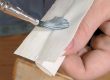
When a woodworker clamps two pieces of wood together, the glue spreads evenly across the joint. The glue then penetrates the wood fibers. As the water evaporates, the bond becomes extremely strong. In many cases, the glued joint can be stronger than the surrounding wood.
Cabinetry
Cabinet makers depend on PVA glue to assemble frames, panels, and shelves. The adhesive provides a clean bond that dries clear (in white versions) or dries in a wood-toned color (in yellow versions). This feature helps reduce visible glue lines.
Wood Repairs
Homeowners often use PVA glue to repair:
- Broken chair legs
- Loose table joints
- Cracked wooden panels
- Lifting veneer
If the user clamps the repair tightly and allows a full 24-hour cure, the bond usually holds under daily use.
However, users should note that some PVA glues can react with tannins in oak, including species like Quercus robur. This reaction can create dark stains if the user does not wipe away excess glue quickly.
2. Arts, Crafts, and School Projects
Teachers and hobbyists prefer PVA glue because it is safe, affordable, and easy to clean.
Paper and Cardboard
Students use PVA glue for:
- Collages
- Scrapbooks
- Greeting cards
- Model making
The glue dries clear and remains slightly flexible. That flexibility prevents paper from becoming brittle.
Fabric and Light Textiles
Crafters use PVA glue to bond lightweight fabrics in decorative projects. Although the glue does not replace sewing for structural clothing, it works well for decorative items and mixed media art.
Decorative Art Techniques
Artists often use PVA glue for creative surface effects:
- Crackle finishes
- Textured raised lines
- Image transfers
- Layered translucent coatings
In crackle techniques, the artist paints a base layer, adds glue, and then paints a top layer. As the glue dries, it pulls the paint and creates cracks that reveal the color underneath.
3. Bookbinding and Paper Manufacturing
Bookbinders rely on PVA glue because it combines strength with flexibility. A book must open and close many times without the spine breaking. PVA glue allows the spine to bend slightly without cracking.
In commercial paper production, manufacturers use PVA glue for:
- Envelope sealing
- Paper packaging
- Carton assembly
The adhesive forms strong bonds while remaining cost-effective for high-volume production.
4. Construction and Surface Preparation
Contractors sometimes use diluted PVA glue as a surface treatment.
Drywall Primer
Painters apply diluted PVA glue as a primer on drywall. The glue seals porous surfaces and helps paint adhere more evenly.
Plaster Sealing
Many professionals mix PVA glue with water in a 1:1 ratio to seal plaster before painting or wallpapering. The mixture reduces dust and improves adhesion.
Cement and Mortar Additive
Some builders add PVA glue to cement or mortar mixes. The glue improves flexibility and bonding strength in certain repair situations.
5. Home Repairs
Homeowners appreciate PVA glue because it handles many small repair tasks.
You can use PVA glue to:
- Reattach loose trim
- Fix small wood cracks
- Bond decorative moldings
- Secure lifting laminate edges
Because the glue is water-based, users can clean spills with a damp cloth before the glue dries.
6. Textile Industry Applications
The textile industry uses PVA glue in a more technical way.
Sizing Agent
Manufacturers apply PVA to yarn before weaving. The coating strengthens the fibers and reduces breakage during the weaving process.
Finishing Agent
Some textile processes use PVA glue to improve surface smoothness and durability. The glue helps fabrics resist wear.
7. Industrial and Specialized Uses
PVA glue appears in some surprising places.
3D Printing
Engineers use PVA as a water-soluble support material in 3D printing. After printing finishes, users dissolve the support structure in water.
Food Industry Coatings
Some cheese producers coat cheeses such as Gouda with a PVA-based protective layer during aging. The coating protects the surface while allowing proper curing.
Manufacturing Processes
Certain manufacturing processes use PVA as a binding agent in products like chewing gum or as an adhesive in specialty paper products.
Types of PVA Glue
Not all PVA glues perform the same way. Manufacturers adjust formulas to meet different needs.
Standard PVA (White Glue)
Standard white PVA works best for crafts, paper, and light woodworking.
Yellow Wood Glue
Yellow PVA glue offers higher strength and better water resistance. Woodworkers prefer this version for structural joints.
Waterproof or Modified PVA
Manufacturers design some PVA glues to meet water-resistance ratings such as D3 or D4. These formulas perform better in damp conditions but are still not fully waterproof.
Fast-Setting PVA
Some versions reduce clamping time and speed up production in workshops.
Advantages of PVA Glue
PVA glue remains popular because it offers clear benefits:
- It is water-based and low in odor.
- It is easy to clean with water before drying.
- It forms strong bonds on porous materials.
- It dries clear (in most versions).
- It is affordable and widely available.
- It remains slightly flexible after curing.
These features make PVA glue suitable for both beginners and professionals.
Disadvantages and Limitations
No adhesive is perfect. PVA glue has limits that users must understand.
- PVA glue is not fully waterproof.
- The glue can weaken in constant moisture.
- The glue can break down under freezing conditions.
- The bond usually requires 24 hours to reach full strength.
- Some microorganisms can slowly break down the polymer over long periods.
Users should choose epoxy or polyurethane adhesives when working with non-porous materials like metal or plastic.
How to Use PVA Glue Correctly
Proper technique improves results significantly.
- The user should clean and dry both surfaces.
- The user should apply a thin, even layer of glue.
- The user should press the pieces together firmly.
- The user should clamp wood joints securely.
- The user should wipe away excess glue immediately.
- The user should allow at least 24 hours for full curing.
If the user dilutes PVA glue, the user should add small amounts of water gradually and mix thoroughly.
PVA Glue vs. Other Adhesives
Many people compare PVA glue with other common adhesives.
- Super glue bonds quickly but becomes brittle and works poorly on porous wood joints.
- Hot glue sets fast but lacks long-term strength on structural wood.
- Epoxy bonds non-porous surfaces well but requires careful mixing and produces stronger fumes.
PVA glue remains the best balance of safety, cost, strength, and ease of use for wood and paper materials.
Environmental and Safety Considerations
Manufacturers design most PVA glues to be non-toxic under normal use. The glue does not release strong fumes, and users can handle it safely without special protective gear.
Because PVA glue is water-based, cleanup requires only warm water before the glue cures. Although microorganisms can slowly break down PVA over time, the glue remains stable in most indoor environments.
Ready to Choose a Reliable PVA Glue Partner?
If you are looking for a high-quality PVA glue that delivers consistent bonding strength, stable performance, and reliable supply, working with the right manufacturer makes a real difference. Whether you produce furniture, paper products, packaging, crafts, or construction materials, your adhesive directly affects your final product quality.
Go Gluing specializes in manufacturing professional-grade PVA glue for woodworking, paper converting, packaging, and industrial applications. The company focuses on stable formulations, strong bonding performance, and customized solutions to meet different production needs. Go Gluing provides standard white PVA, high-strength yellow wood glue, water-resistant grades, and tailored bulk supply options for factories and distributors.
For product inquiries, samples, pricing, or technical support, contact the team directly at:
Reach out today to discuss your project requirements and discover how the right PVA glue solution can improve your product quality and production efficiency